
Is Globe SIM Registration Required for IoT Devices?
The SIM Registration Act (Republic Act No. 11934) has become a vital step in improving mobile security across the Philippines. This law requires all Globe SIM cards in the country, including those from Globe Telecom, to be registered under a real person’s identity. While this is clear for mobile phones, IoT (Internet of Things) devices that also use SIM cards for connectivity have raised questions.
In this article, we will explain whether Globe SIM registration applies to IoT devices, how IoT SIM cards need to be registered, and the implications of non-compliance. You will also find answers to common queries and useful steps for businesses and individuals managing IoT devices.
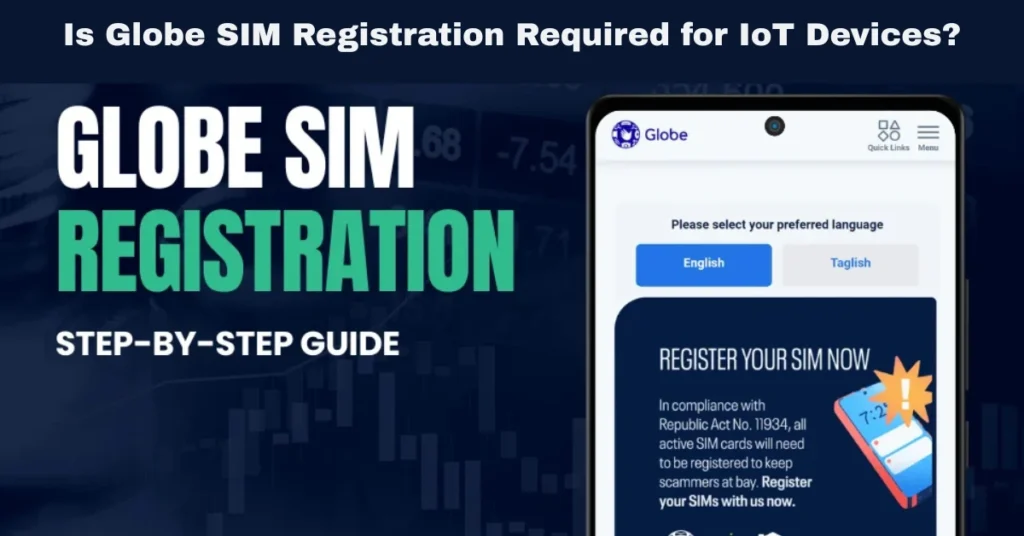
What Is SIM Registration and Why Is It Important for IoT Devices?
The SIM Registration Act, signed into law in 2022, mandates that all mobile SIM cards in the Philippines must be registered to the real name of the user. The law applies to prepaid, postpaid, and business SIM cards and aims to improve security by making users accountable for their SIM cards. This process is designed to combat fraud, scams, and other illicit activities often tied to unregistered or anonymous SIM cards.
Given the rapid growth of IoT devices—ranging from smart home systems to vehicle tracking—the law also affects SIM cards embedded in devices that connect to mobile networks.
Are Globe SIM Cards in IoT Devices Subject to Registration?
Yes, SIM cards used in IoT devices must be registered under the SIM Registration Act. This includes SIM cards used in various IoT devices, such as:
If an IoT device uses a Globe SIM card, it must be registered before it can be activated, and it will lose network connectivity (data services) if not registered properly.
How Does Globe SIM Registration Work for IoT Devices?
Standard Registration Process for IoT SIM Cards
The registration process for IoT SIM cards is generally similar to that for regular SIM cards used in mobile phones. Here’s how the process works:
- Visit the Globe SIM Registration Portal
The official Globe SIM Registration portal is the primary platform where users must complete their registration. Alternatively, the GlobeOne app can also be used for the same purpose. - Provide Required Information
During registration, you’ll need to submit personal information such as:- Name of the IoT device owner (could be a business or individual)
- Address (this could be a business address if the SIM is for a business IoT device)
- Date of birth (if an individual is registering the device)
- Contact details (phone number, email)
- Upload Identification Documents
You’ll need to upload a valid government-issued ID (e.g., passport, driver’s license) to verify the identity of the SIM card owner. For business IoT devices, you may also need to provide additional business registration documents like a Certificate of Business Registration or business permit. - Verification via OTP
After submitting the necessary details, you’ll receive a One-Time Password (OTP) on the registered Globe number. For IoT devices, ensure the number on the SIM card is valid and active for verification. - Confirmation of Registration
Once the registration is successful, you will receive a confirmation message via SMS or email stating that your SIM card has been properly registered. The registration will also be recorded in the Globe system, ensuring your SIM card remains active and functional.
Why Is SIM Registration Important for IoT Devices?
Fraud Prevention and Accountability
SIM registration helps to trace and identify SIM card owners, ensuring accountability in cases of fraud, abuse, or illegal activity. For IoT devices, this is especially important since many IoT devices (such as vehicle trackers or smart meters) send sensitive data, and unregistered SIMs could potentially be used for unauthorised tracking or data theft.
Reducing Anonymous Use for Scams
Unregistered SIM cards are often used for fraudulent activities such as scams and spam messages. Since IoT devices can be connected to various services like mobile wallets, banking apps, or cloud-based services, having the SIM registered ensures the device’s usage is traceable and secure.
Compliance with Government Regulations
The SIM Registration Act mandates that all SIM cards in the Philippines be registered. Non-compliance may lead to SIM deactivation, making devices like smart meters or connected appliances non-operational. This is a legal requirement that applies to all mobile network-connected devices, including IoT devices.
Network Security
By registering the SIM cards in IoT devices, Globe ensures that the mobile network isn’t used for unauthorised purposes, such as hacking, spamming, or illegal surveillance. The registration ensures that the SIM’s data usage is properly tracked and that all activities linked to the SIM are accountable.
Consequences of Not Registering IoT SIM Cards
If you fail to register the SIM card in an IoT device, you risk losing access to the services provided by the device. Here’s what can happen:
SIM Deactivation
Without proper registration, the Globe SIM card in your IoT device will be deactivated after the SIM registration deadline. This means the device will lose access to mobile data and cannot send or receive information over the network.
Loss of Connectivity for IoT Devices
IoT devices often rely on mobile networks to operate, such as remote monitoring systems or vehicle tracking devices. If the SIM is not registered, these devices will lose connectivity, rendering them useless until the registration process is completed.
Regulatory Compliance Issues
Businesses using IoT devices (like smart meters or fleet tracking systems) may face regulatory compliance issues if their SIM cards aren’t registered. In some industries, such as utilities or logistics, SIM registration is mandatory for devices that collect or transmit real-time data.
Can IoT SIM Cards Be Registered After the Deadline?
If you miss the SIM registration deadline for IoT devices, Globe will likely deactivate the SIM card. However, you may still be able to register the SIM if it’s within the grace period (if provided by the government). The grace period allows users to register their unregistered SIMs and restore functionality to their IoT devices. You can also read: How to Transfer Ownership of Globe SIM After Registration
If the SIM is already deactivated, you may need to replace it with a new SIM and complete the registration process again.
Special Considerations for Businesses Using IoT SIMs
Businesses often use multiple IoT devices connected via mobile SIM cards for various purposes, such as fleet management, asset tracking, or remote monitoring. When registering business IoT SIMs, consider the following:
Bulk Registration for Business IoT SIMs
Businesses with a large number of IoT devices may want to use the bulk SIM registration options offered by Globe. This allows businesses to register multiple SIM cards used in IoT devices at once, ensuring compliance and efficiency.
Ensure Accurate Company Information
For business IoT devices, it’s essential to provide correct company details during registration, including the company name, business address, and the authorised representative’s name. This ensures the SIM is registered under the correct business entity.
IoT Devices for Critical Infrastructure
Some IoT devices are used for critical infrastructure, such as smart meters in utilities or monitoring systems in healthcare. These devices require continuous connectivity, so SIM registration must be completed early to avoid service disruptions.
FAQs
Final Words
Globe SIM registration for IoT devices is a requirement under the SIM Registration Act in the Philippines. Whether for business purposes or personal use, registering IoT SIM cards is essential to ensure continuous connectivity, fraud prevention, and legal compliance. Failure to register your SIM can result in SIM deactivation and service disruption, making it important to complete the process before the deadline.
By registering your IoT devices early and correctly, you can secure your network, prevent fraud, and ensure your devices continue functioning without interruption. If you have multiple IoT devices, take advantage of bulk registration options for businesses and streamline the process.


