
SIM Registration Act Impact on International SIMs
If you’re planning to visit the Philippines and want to stay connected, you might be thinking about using a Globe SIM card to access mobile services. But there’s a question that comes up often: Does the SIM Registration Act in the Philippines affect international SIMs too?
In this article, we’ll break down the rules regarding the SIM Registration Act, whether you’re using a local or international SIM, and what it means for tourists, visitors, and residents.
What is the SIM Registration Act?
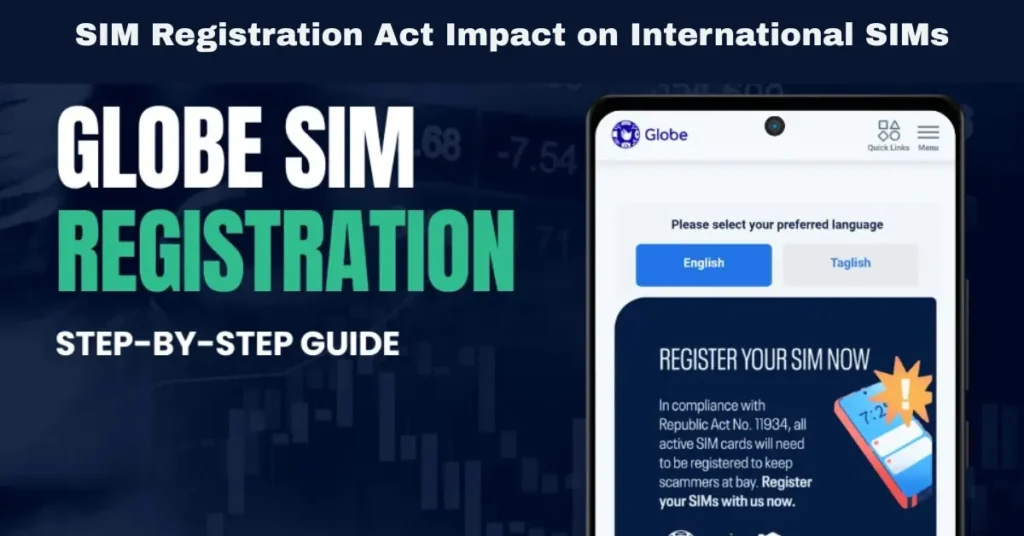
The SIM Registration Act (Republic Act No. 11934) requires all SIM cards used in the Philippines to be registered with a real name and a valid ID. This law aims to:
It’s mandatory for everyone using a mobile SIM card in the country, including residents, tourists, and diplomatic personnel. But does this apply to international SIM cards as well?
What Happens to International SIMs in the Philippines?
The short answer is: It depends on how you’re using the SIM.
International SIM Used for Roaming
If you’re using an international SIM card for roaming in the Philippines, there’s no need to register it. This is because your SIM card is still operating under your home country’s network, not a local Philippine provider. The SIM will only function through roaming, and the SIM Registration Act doesn’t apply to roaming services.
Tip: If you’re only visiting for a short time, international roaming may be more convenient, but it can be more expensive than buying a local SIM.
International SIM Converted to a Local SIM
If you bring an international SIM card into the Philippines and switch it to a local network, such as Globe, Smart, or DITO, then the SIM must be registered under Philippine law.
You’ll need to register your SIM with your personal details and ID
Local network activation means the SIM will be subject to the registration rules
Registration will be needed even if your SIM was originally from another country
Tip: If you want to use your international SIM locally, you must convert it to a Philippine-based SIM and go through the registration process to avoid deactivation.
How Does the SIM Registration Act Affect Tourists and Foreigners?
The SIM Registration Act applies to everyone, including foreign visitors and diplomatic personnel. While tourists or visitors may not be permanent residents, they still need to register any local SIMs they buy while in the Philippines.
Tourist SIM Registration
Tourists visiting the Philippines must register any local SIM cards purchased during their stay.
Tourists need to provide their passports and proof of address (e.g., hotel booking) to register their SIM cards.
Registration validity for tourists typically lasts for 30 days and may need to be updated if their stay is extended.
Diplomatic Personnel
Tip: If you’re staying longer than 30 days as a tourist or diplomat, ensure your registration is updated, or your SIM may be deactivated.
When Do You Need to Register a Local SIM in the Philippines?
Here are the main scenarios when you must register a SIM in the Philippines:
Buying a New Local SIM:
Whether you’re a tourist, resident, or foreign worker, you need to register any new SIM card purchased from a local provider.
Switching to a Local Network:
If your international SIM is switched to a Philippine network, such as Globe or Smart, you’ll need to register it for local use.
Updating Personal Details:
If your personal information changes — like your address or contact number — you must update your registration with the local telecom provider.
What Happens If You Don’t Register Your SIM?
If you miss registering your SIM card before the deadline, it will be deactivated by the telecom provider. This means:
Tip: Even if you’re a tourist or international visitor, make sure you complete registration within the allowed timeframe to avoid interruptions.
Practical Tips for Using International SIMs in the Philippines
Here are some tips to help you stay connected without hassle while traveling in the Philippines:
Use roaming if you just need your home number — but be mindful of high charges.
Consider buying a local SIM if you plan to stay longer, as this may be more affordable and give you better coverage.
Register your local SIM immediately upon arrival — don’t wait until the last minute.
Keep your documents handy, especially your passport and proof of address, if you’re registering as a tourist. Check your SIM validity before the 30-day period ends if you’re a tourist or short-term visitor.
FAQs
Final Words
To sum it up, the SIM Registration Act in the Philippines affects local SIM cards — whether you’re a tourist, foreign resident, or a diplomatic worker. If you’re only using roaming services with an international SIM, you don’t need to worry about the registration process. However, if you buy a local SIM or use an international SIM on a local network, registration is mandatory.
The key is to register your SIM early to ensure you stay connected throughout your stay. Whether you opt for roaming or buy a local SIM, staying on top of registration requirements will help avoid any interruptions in your mobile service.


